
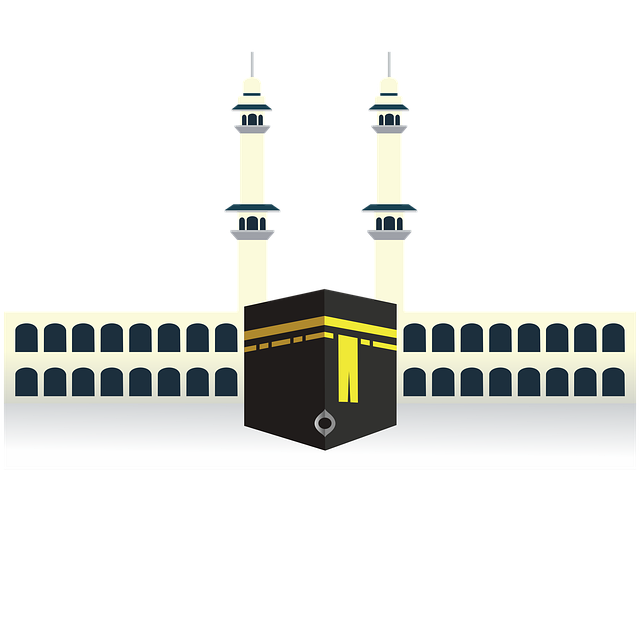
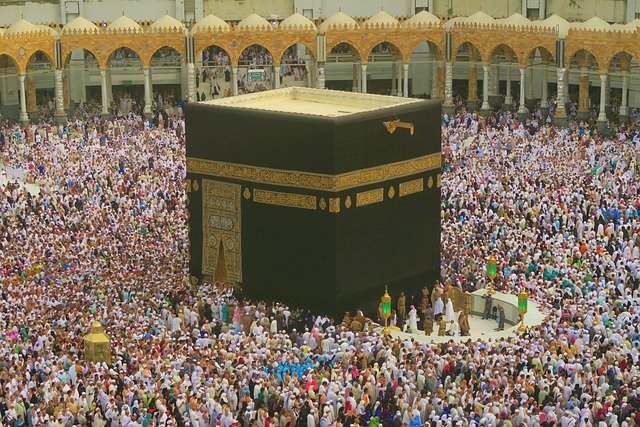
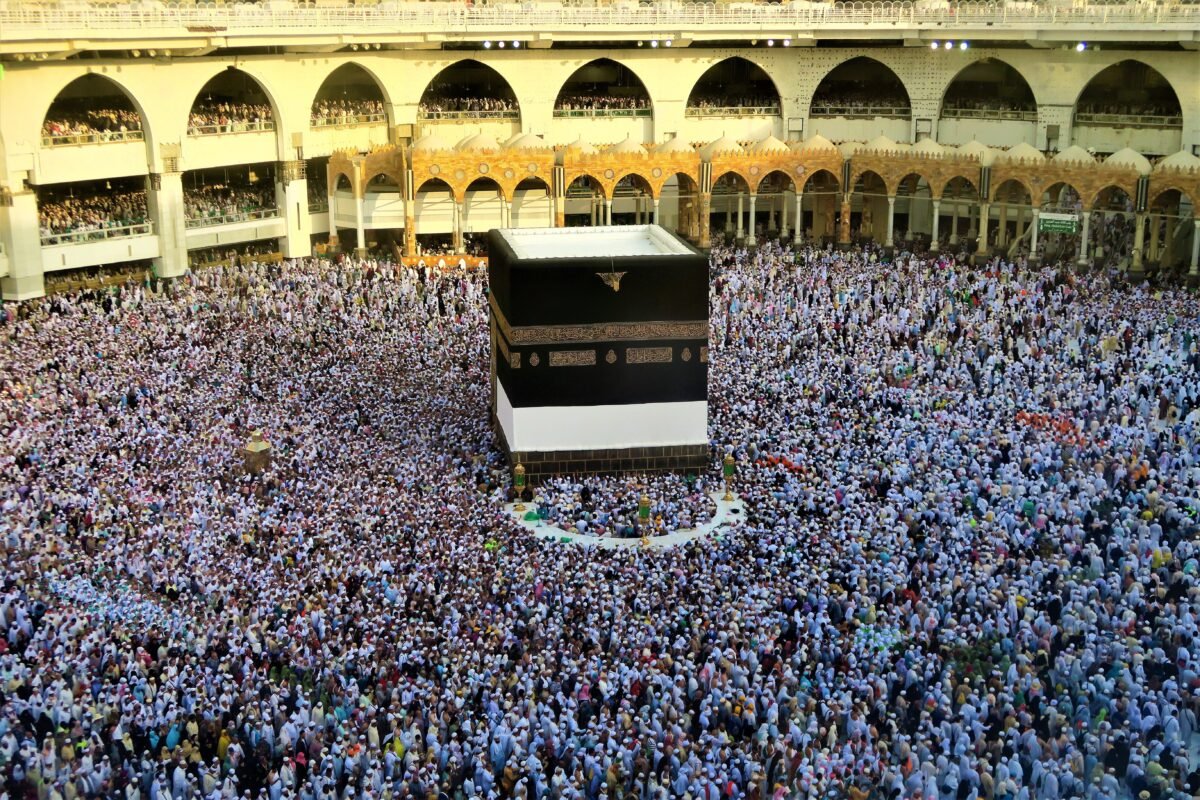
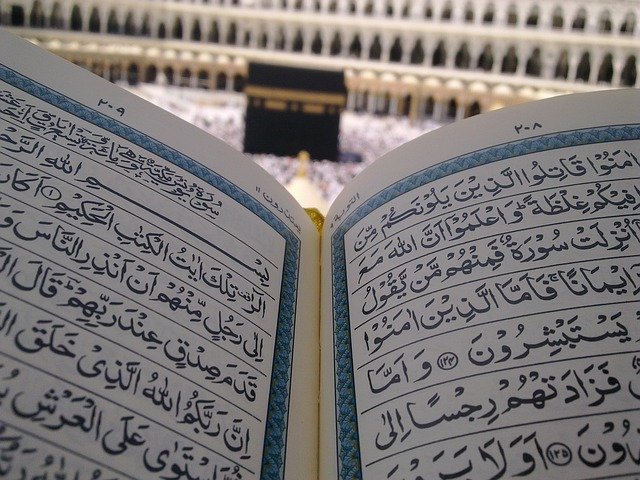
The Kaaba (الكعبة) is the most holy place in Islam. It is a cube-shaped building in the center of the Grand Mosque (المسجد الحرام) in Makkah (مكة), Saudi Arabia (المملكة العربية السعودية). Muslims around the world face the Kaaba when they pray. It is the heart of Islam. When you see the Kaaba, you will feel a deep sense of peace and faith. It is covered in a black cloth called the Kiswah (الكسوة). The Kaaba is not just a building. It is a symbol of unity for all Muslims. You can visit it during Hajj (الحج) or Umrah (العمرة). It stands as a reminder of Allah’s presence.
What is the History and Religious Significance of The Kaaba?
The Kaaba has a long history. It was built by Prophet Ibrahim (إبراهيم) and his son Ismail (إسماعيل) thousands of years ago. Allah commanded them to build it as a place of worship. At first, it was a simple structure. Over time, people added to it. The Kaaba became a center for prayer and pilgrimage. It was rebuilt many times. The Prophet Muhammad (النبي محمد) helped restore it. He removed idols and made it pure for Allah. The Kaaba is the first house built for worship on Earth. It shows the start of monotheism. Muslims believe it is a direct link to heaven. You will learn that the Kaaba represents submission to Allah.
The Kaaba is important in Islamic history. It was the place where the Prophet received revelations. It united the Arab tribes. Today, it is the direction for prayer, called the Qibla (القبلة). Millions of Muslims face it five times a day. It is the goal of Hajj, the pilgrimage. You will feel its power when you stand before it.
Description and Features of The Kaaba
The Kaaba is a simple cube. It measures about 13 meters (43 feet) high, 10 meters (33 feet) wide, and 12 meters (39 feet) long. It is made of stone and marble. The walls are covered with the Kiswah, a black silk cloth embroidered with gold. The cloth is changed every year. Inside, the Kaaba is empty except for a few items. There is a small door on one side. You cannot enter the Kaaba unless you are special. The roof has a small dome. The Kaaba stands on a marble base. It is surrounded by the Grand Mosque. You will see it from afar, shining in the sunlight.
The Kaaba has special features. The Black Stone (الحجر الأسود) is set in one corner. It is a sacred stone that Muslims kiss or touch during Tawaf (طواف). The Yemeni Corner (الركن اليماني) is another important spot. The Kaaba has four corners, each with meaning. The building is plain on purpose. It shows that worship is about faith, not decoration. You will admire its simplicity and beauty.
Rituals and Importance in Worship in The Kaaba
The Kaaba is central to Islamic rituals. During Tawaf, pilgrims walk around the Kaaba seven times. This shows devotion to Allah. It is part of Hajj and Umrah. Muslims also pray towards the Kaaba. It unites believers worldwide. The Kaaba is a symbol of equality. All Muslims, rich or poor, stand equal before it. You will see people from all backgrounds praying together. It teaches humility and brotherhood.
The Kaaba is important for daily life. Muslims face it during Salah (الصلاة). It reminds them of Allah. During Ramadan (رمضان), the Kaaba is a focus for prayers. You will feel connected to the global Muslim community. The Kaaba inspires charity and good deeds. It is a place of blessings.
Preservation and Modern Role of The Kaaba
The Saudi government cares for the Kaaba. They clean it and maintain it. The Kiswah is made in special factories. Workers change it carefully. The Grand Mosque is expanded to hold more people. Technology helps manage crowds. Cameras and apps guide pilgrims. You will see how modern tools protect the sacred site.
The Kaaba plays a big role today. It attracts millions for Hajj. It promotes peace and understanding. The Kaaba is a symbol of Islam’s strength. You will learn about its global impact. It brings people together in faith.
Cultural and Global Impact of The Kaaba
The Kaaba influences culture. It appears in art and literature. Poems praise its beauty. It inspires music and stories. In Saudi Arabia, the Kaaba is a national treasure. It boosts tourism and economy. You will see how it shapes society. The Kaaba teaches values like respect and unity. It is a beacon for humanity.
Why The Kaaba Matters?
The Kaaba (الكعبة) is the heart of Islam. It is a place of worship, history, and faith. When you visit, you will feel Allah’s presence. You can perform rituals and pray. The Kaaba unites Muslims worldwide. It teaches lessons of equality and devotion. You will leave inspired. The Kaaba is a gift to humanity. It waits for you to discover its beauty. Visit and feel its power. Safe travels!

Leave a Reply