
The Red Sea (البحر الأحمر) is a beautiful body of water that touches Saudi Arabia (المملكة العربية السعودية). It is one of the most important seas in the world. From the Saudi point of view, the Red Sea is more than just water. It is a source of life, trade, and adventure. When you look at the Red Sea, you will see clear blue water, colorful fish, and stunning coral reefs. It connects Saudi Arabia to other countries and brings many benefits to the people.
What is Geography and Location of The Red Sea?
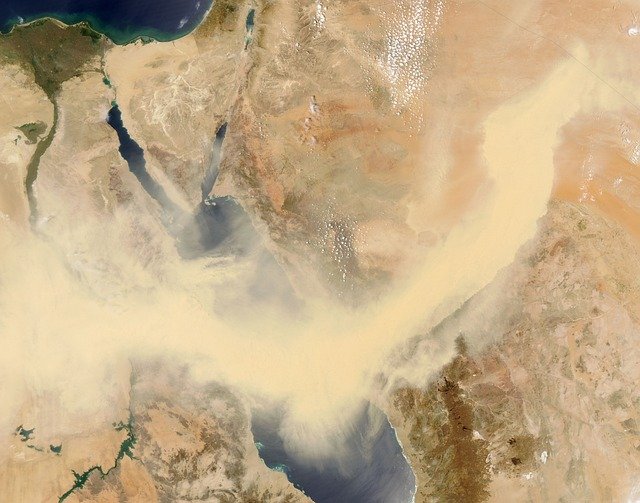
The Red Sea is located between Africa and Asia. It stretches from the Suez Canal in the north to the Bab el-Mandeb Strait in the south. Saudi Arabia has a long coastline along the Red Sea. This coastline is about 1,800 kilometers (1,118 miles) long. The sea is narrow in some places and wide in others. It is surrounded by deserts and mountains. The water is warm and salty. You can find islands and beaches along the Saudi coast.
The Red Sea is known for its deep waters. In some areas, it is over 2,000 meters (6,562 feet) deep. This depth makes it a special place for ships and submarines. The sea is also home to many volcanoes and hot springs under the water. These features make the Red Sea unique.
What is the History and Importance of The Red Sea?
The Red Sea has a long history. It was an important trade route for ancient people. Traders from Egypt, India, and Arabia used the sea to travel and sell goods. In the past, the Red Sea was called the “Sea of the Arabs” because Arab traders controlled it. Today, it is still a key route for ships carrying oil, goods, and people.
From the Saudi perspective, the Red Sea is vital for the country’s economy. Saudi Arabia exports oil and imports many things through ports like Jeddah (جدة). The sea helps Saudi Arabia connect to the world. It also plays a role in religion. Many pilgrims travel by sea to reach Mecca (مكة) for Hajj (الحج).
What is the Red Sea Project?
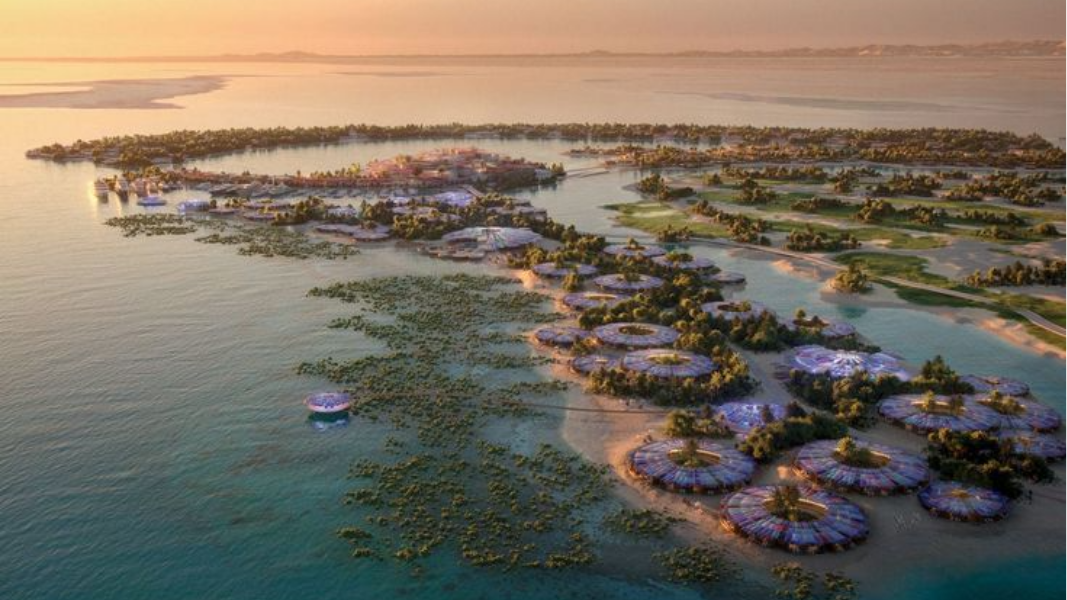
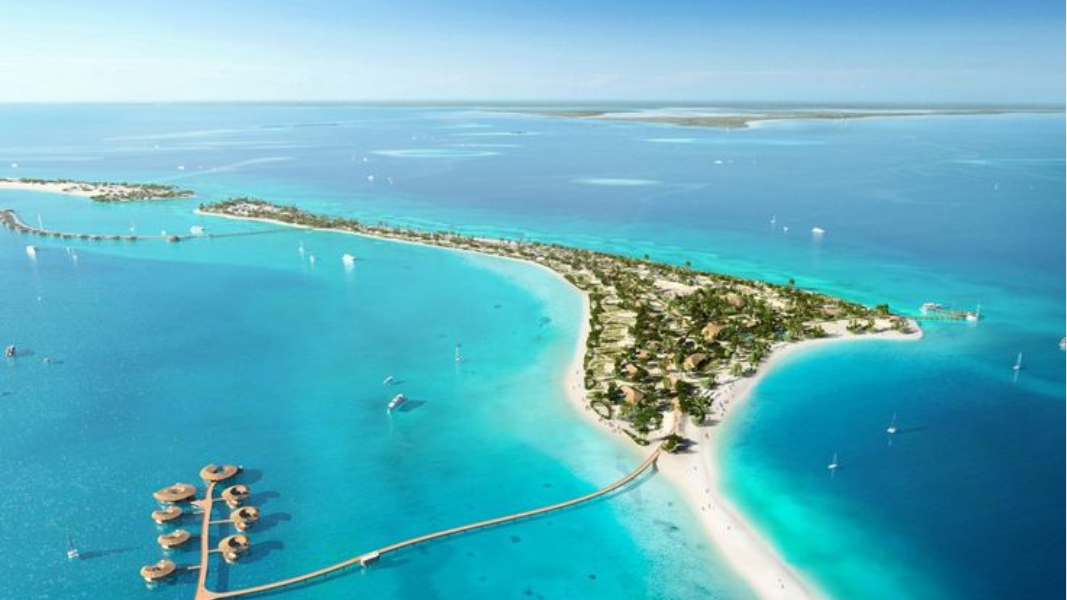
Saudi Arabia has launched a major project called the Red Sea Project (مشروع البحر الأحمر). This project aims to develop the Red Sea coast into a world-class tourist destination. It includes building luxury resorts, hotels, and entertainment facilities on islands and along the coast. The project focuses on eco-tourism and preserving the natural environment. It is part of Saudi Arabia’s Vision 2030 plan to diversify the economy and reduce dependence on oil.
Natural Beauty and Wildlife of The Red Sea
The Red Sea is famous for its natural beauty. The water is clear and blue. You can see colorful coral reefs underwater. These reefs are home to thousands of fish, turtles, and other sea creatures. Saudi Arabia has protected areas where you can dive and explore. Places like Yanbu (ينبع) and Al Wajh (الوجه) have beautiful beaches and marine life.
The Red Sea has unique wildlife. You can find dolphins, sharks, and rays swimming in the water. There are also birds that live near the coast. The sea is a paradise for nature lovers. Saudi Arabia works hard to protect this beauty. The government has laws to stop pollution and overfishing.
What is the Economic Role of The Red Sea?
The Red Sea is important for Saudi Arabia’s economy. It has busy ports where ships load and unload goods. Jeddah Port is one of the largest in the Middle East. It handles millions of tons of cargo each year. The sea also supports fishing. Many people in coastal towns catch fish and sell them.
Tourism is growing along the Red Sea. People come to swim, dive, and relax on the beaches. Resorts in places like Sharm el-Sheikh (though not Saudi, similar spots exist) attract visitors. Saudi Arabia is building new hotels and attractions. This brings jobs and money to the country.
What is the Cultural and Religious Significance of The Red Sea?
The Red Sea has cultural meaning for Saudi Arabia. It is part of the country’s heritage. Many stories and poems talk about the sea. The Red Sea is also important for religion. It is near holy cities like Mecca and Medina (المدينة). Pilgrims travel by sea to perform Hajj.
In Saudi culture, the Red Sea represents adventure and exploration. People tell stories of sailors who sailed the sea long ago. The sea connects Saudi Arabia to Africa and Asia. This has shaped the country’s diverse culture.
Environmental Challenges Regarding the Red Sea
The Red Sea faces some challenges. Pollution from ships and cities can harm the water. Overfishing can reduce fish numbers. Climate change is making the sea warmer. This affects the coral reefs. Saudi Arabia is working to fix these problems. The government has projects to clean the sea and protect wildlife. You can help by not littering and supporting clean energy.
Activities and Tourism in The Red Sea
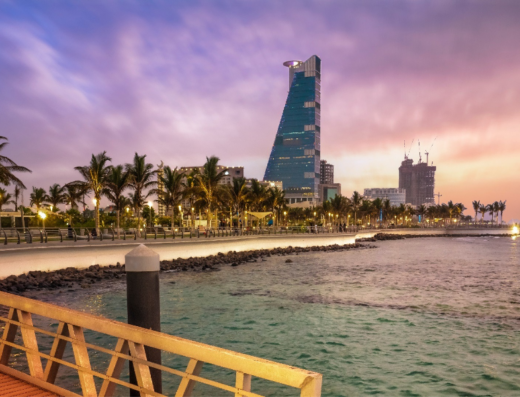
If you visit the Red Sea in Saudi Arabia, you can do many fun things. You can swim in the warm water or snorkel to see fish. Diving is popular because of the coral reefs. You can also go on boat trips or visit islands. Beaches like those in Jeddah are great for relaxing.
Saudi Arabia has festivals by the sea. Events like the Red Sea International Film Festival (مهرجان البحر الأحمر السينمائي الدولي) happen in Jeddah. You can enjoy movies, food, and shows. The Red Sea Project is a big plan to build resorts and attractions. It will make tourism even better.
Future of the Red Sea
The future of the Red Sea looks bright. Saudi Arabia is investing in new projects. The Red Sea Project will create jobs and attract visitors. It includes building islands, hotels, and parks. The government wants to make the sea a top tourist spot.
Technology will help protect the Red Sea. Scientists use drones and robots to study the water. This helps keep the sea healthy. Saudi Arabia is also working with other countries to protect the Red Sea.
Why the Red Sea Matters to Saudi Arabia
The Red Sea (البحر الأحمر) is a special part of Saudi Arabia. It offers beauty, trade, and culture. From the Saudi perspective, it is a gift from nature. You can enjoy its wonders and learn about its history. The sea connects people and brings prosperity. When you visit, you will see why it is so important. Take care of the Red Sea so future generations can enjoy it too. It is a treasure that makes Saudi Arabia proud.



Leave a Reply