Makkah (مكة): The Heart of Saudi Arabia and Islam
Welcome to Makkah (مكة), one of the most special cities in the world. If you want to learn about a place full of history, faith, and culture, you are in the right place. Makkah is not just a city; it is a symbol of peace, spirituality, and unity. When you visit Makkah, you will feel a deep connection to millions of people around the world.
Makkah is in the western part of Saudi Arabia (المملكة العربية السعودية). It is near the Red Sea (البحر الأحمر). The city is surrounded by mountains and deserts. This makes its landscape unique and beautiful. You will see rocky hills and wide sandy areas. The weather is usually hot and dry, but the city has many places to keep you cool and comfortable.
Geography and Location
Makkah lies in a valley surrounded by the Sarawat Mountains (جبال السروات). These mountains include Jabal al-Nour (جبل النور), Jabal Thawr (جبل ثور), and Jabal Abu Qubays (جبل أبو قبيس). The city is about 70 kilometers (43 miles) east of the Red Sea coast and about 80 kilometers (50 miles) east of Jeddah جدة, the major port city.
The city’s elevation is around 277 meters (909 feet) above sea level. The climate is hot desert (صحراء), with very hot summers and mild winters. Rainfall is rare but sometimes happens in the winter months.
The History of Makkah
Makkah has a long and rich history. It is believed to be one of the oldest cities in the world. The city was a center for trade and religion long before Islam. It was a meeting point for caravans traveling between Yemen, Syria, and other parts of Arabia.
The Kaaba (الكعبة), the cube-shaped building in the center of Makkah, is said to have been built by Prophet Ibrahim (إبراهيم) and his son Ismail (إسماعيل). The Kaaba became a sacred place for many tribes.
Makkah is also the birthplace of the Prophet Muhammad (النبي محمد). He was born in the year 570 AD in the house of his grandfather Abdul Muttalib (عبد المطلب). The city witnessed the beginning of Islam when the Prophet received his first revelation in the cave of Hira (غار حراء) on Jabal al-Nour.
The Grand Mosque: Masjid al-Haram (المسجد الحرام)
The most important place in Makkah is the Masjid al-Haram (المسجد الحرام), or the Grand Mosque. It is the largest mosque in the world. The mosque surrounds the Kaaba (الكعبة), the holiest site in Islam.
Millions of Muslims come here every year to pray and perform Hajj (الحج) and Umrah (العمرة). The mosque has been expanded many times to hold more worshippers. It now covers an area of over 400,000 square meters.
Inside the mosque, you will find the Black Stone (الحجر الأسود) set in one corner of the Kaaba. Pilgrims try to touch or kiss this stone during Tawaf (طواف), the ritual of walking around the Kaaba seven times.
The mosque also includes the Maqam Ibrahim (مقام إبراهيم), the Station of Abraham, which marks where Prophet Ibrahim stood while building the Kaaba. The Zamzam Well (بئر زمزم) is inside the mosque complex. It is a holy well that provides water to pilgrims.
Important Mountains and Caves Around Makkah
Several mountains and caves near Makkah have great religious and historical significance.
- Jabal al-Nour (جبل النور): This mountain is famous for the Cave of Hira (غار حراء), where the Prophet Muhammad received his first revelation from Angel Gabriel.
- Jabal Thawr (جبل ثور): This mountain has the Cave of Thawr (غار ثور), where the Prophet and his companion Abu Bakr hid during their migration (Hijra) to Medina (المدينة).
- Jabal Abu Qubays (جبل أبو قبيس): Located near the Grand Mosque, this mountain is mentioned in Islamic history and is part of the city’s landscape.
Jabal Rahmah (جبل الرحمة): Located in the plain of Arafat (عرفات), this mountain is important during the Hajj pilgrimage.
The Hajj Pilgrimage الحج
Hajj (الحج) is one of the five pillars of Islam. Every Muslim who is able must perform Hajj at least once in their life. Millions of pilgrims come to Makkah during the Hajj season.
The pilgrimage includes many rituals:
- Ihram (الإحرام): Pilgrims wear simple white clothes to show equality.
- Tawaf (طواف): Walking seven times around the Kaaba.
- Sa’i (سعي): Walking seven times between the hills of Safa (صفا) and Marwah (مروة).
- Standing at Arafat (الوقوف بعرفة): Pilgrims gather at the plain of Arafat to pray and ask for forgiveness.
- Mina (منى): Pilgrims stay in Mina and perform the ritual of stoning the devil (رمي الجمرات).
- Eid al-Adha (عيد الأضحى): The festival of sacrifice, celebrated after Hajj.
The Hajj season is very busy. The city prepares with extra services, transportation, and security to help pilgrims.
Umrah (العمرة): The Lesser Pilgrimage
Umrah is a pilgrimage that can be done any time of the year. It includes some of the same rituals as Hajj but is shorter. Many people visit Makkah to perform Umrah and pray in the Grand Mosque.
Umrah is a spiritual journey that brings peace and blessings. You will see many pilgrims wearing Ihram and performing Tawaf and Sa’i.
The Holy Sites in and Around Makkah
Besides the Grand Mosque and the mountains, Makkah has many other important sites:
- Masjid Aisha (مسجد عائشة): Also called Masjid at-Tan’im, it is a place where pilgrims enter Ihram for Umrah.
- Maqam Ibrahim (مقام إبراهيم): The stone where Prophet Ibrahim stood during the building of the Kaaba.
- Zamzam Well (بئر زمزم): A holy well inside the Grand Mosque complex.
- Mount Arafat (جبل عرفات): The site of the main Hajj gathering.
- Mina (منى): The tent city where pilgrims stay during Hajj.
- Muzdalifah (مزدلفة): The place where pilgrims spend the night during Hajj.
The Culture and People of Makkah
Makkah is home to a diverse population. People from all over Saudi Arabia and the world live and work here. The city is a melting pot of cultures, languages, and traditions.
The people of Makkah are known for their hospitality. They welcome visitors with kindness and respect. You will find many locals who speak English and other languages.
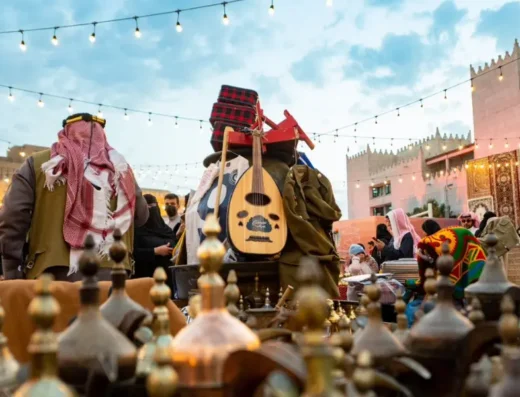
Traditional clothing is common. Men often wear the white thobe (ثوب), and women wear the abaya (عباءة). During Hajj and Umrah, pilgrims wear Ihram (الإحرام), simple white garments.
Markets and Shopping in Makkah
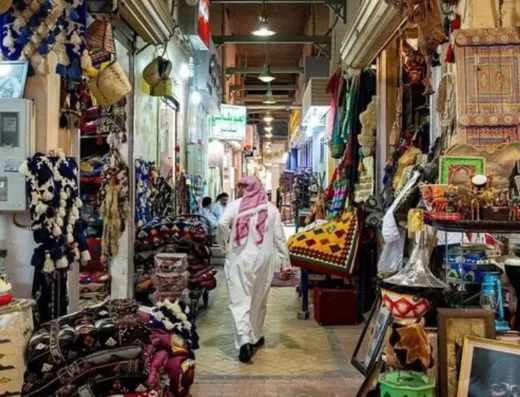
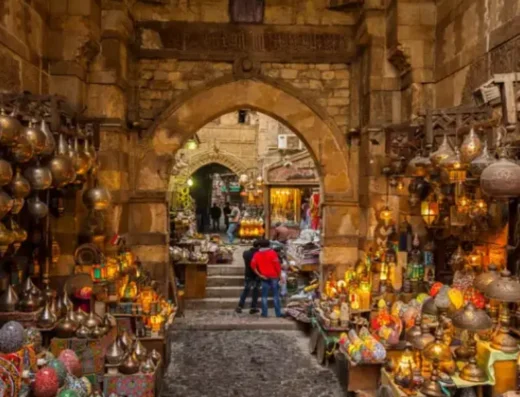
Makkah has many markets (أسواق) where you can buy souvenirs, clothes, perfumes, and religious items.
- Souq Al-Khalil (سوق الخليل): A popular market for traditional goods.
- Souq Al-Masjid (سوق المسجد): Near the Grand Mosque, selling religious books and items.
- Al Diyafa Mall (مجمع الضيافة): A modern shopping center with many stores.
- Abraj Al Bait Mall (مجمع أبراج البيت): Located near the Grand Mosque, it has many shops and restaurants.
Shopping in Makkah is a fun experience. You can find spices, dates (تمر), prayer beads, and Islamic art.
Food and Dining in Makkah
Makkah offers delicious food. You can try traditional Saudi dishes like Kabsa (كبسة), a rice and meat dish with spices. Other popular foods include Mandi (مندي), Harees (هريس), and Samboosa (سمبوسة).
There are many restaurants and cafes near the Grand Mosque and throughout the city. You will find food from different countries, including Middle Eastern, Asian, and Western cuisines.
Don’t forget to try fresh dates (تمر) and Arabic coffee (قهوة عربية). These are part of the local hospitality.
Accommodation in Makkah
Makkah has many hotels to suit all budgets. Some hotels are very close to the Grand Mosque, offering great views and easy access.
- Abraj Al Bait Hotels: Tall towers with luxury rooms near the mosque.
- Hilton Makkah: A well-known international hotel.
- Makkah Clock Royal Tower: One of the tallest buildings in the world.
- Budget hotels: Available throughout the city for affordable stays.
Booking early is important, especially during Hajj season, because many people visit at the same time.
Transportation in Makkah
Getting around Makkah is easy. The city has good roads and public transport.
- Taxis: Available 24/7 and easy to find.
- Buses: Connect different parts of the city.
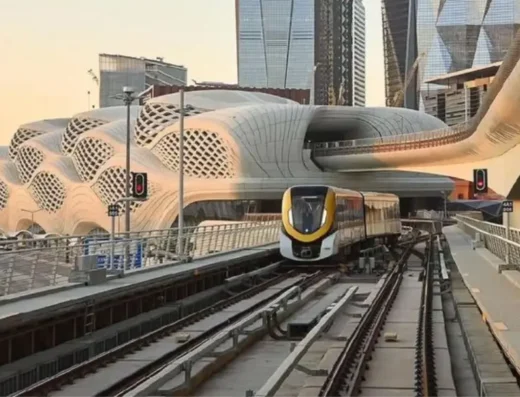
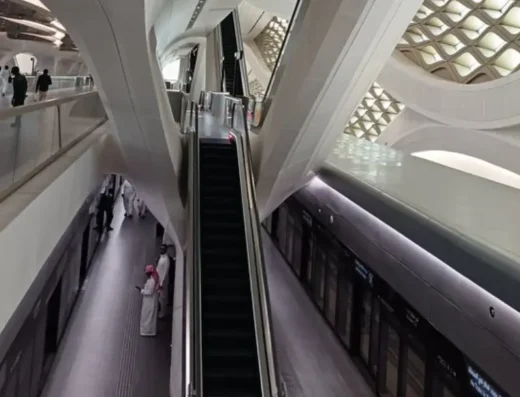
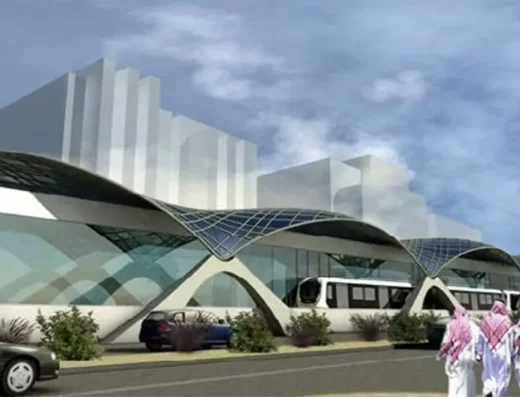
- Haramain High-Speed Railway (قطار الحرمين السريع): Connects Makkah to Medina (المدينة) and Jeddah (جدة). It is fast and comfortable.
- Walking: Many places near the Grand Mosque are within walking distance.
The city is working on improving transportation to handle the large number of visitors.
Education and Health Services
Makkah has many schools and universities. These institutions teach religion, science, and arts. Umm Al-Qura University (جامعة أم القرى) is the most famous university in Makkah. It offers many programs and attracts students from around the world.
The city has modern hospitals and clinics. These provide care for residents and visitors. Health services are especially important during Hajj when many people come to the city.
Festivals and Events in Makkah
Besides Hajj and Umrah, Makkah celebrates Islamic festivals like Eid al-Fitr (عيد الفطر) and Eid al-Adha (عيد الأضحى). During these times, the city is full of joy and happiness.
Special religious lectures and cultural events happen throughout the year. These events help people learn and connect.
The Future of Makkah
Makkah is growing and developing. The government is investing in new projects to improve the city. These include expanding the Grand Mosque, building new hotels, and improving roads and services.
The goal is to make Makkah a world-class city for pilgrims and visitors. The city wants to keep its spiritual and historical importance while offering modern comforts.
Why You Should Visit Makkah
Makkah (مكة) is a city like no other. It is full of history, faith, and culture. When you visit, you will feel a deep connection to millions of people around the world.
You can explore ancient mountains, walk in the Grand Mosque, shop in lively markets, and taste delicious food. You will meet kind people and experience a city that welcomes everyone. Whether you come for Hajj, Umrah, or to learn about Islam, Makkah will change your life. It is a place of peace, hope, and unity.
So, pack your bags and get ready to discover Makkah. The city is waiting to share its stories and blessings with you.

Jeeves of Belgravia جيفس أوف بيلجرافيا
Jabir Ibn Abdullah Street, Riyadh Saudi Arabia