Unclaimed
King Khalid University
(0)
King Khalid University, , , Abha, Asir Province, Saudi ArabiaOverview
About
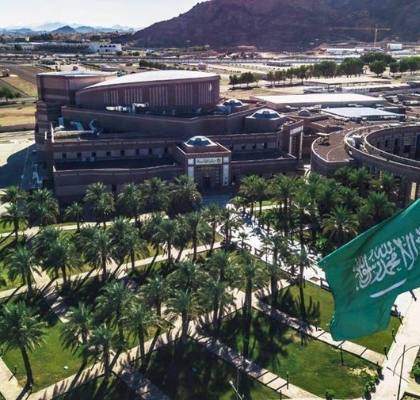
King Khalid University, known as KKU, is a top Saudi public university. It sits in Abha, the capital of the Aseer Region in southwestern Saudi Arabia. KKU was founded on May 6, 1998, following a Royal Decree that merged Imam Mohammad Ibn S
Features
Amenities
- university
- educational institution
- point of interest
- establishment
Schedule
Opening hours
monClosed
tueClosed
wedClosed
thuClosed
friClosed
satClosed
sunClosed
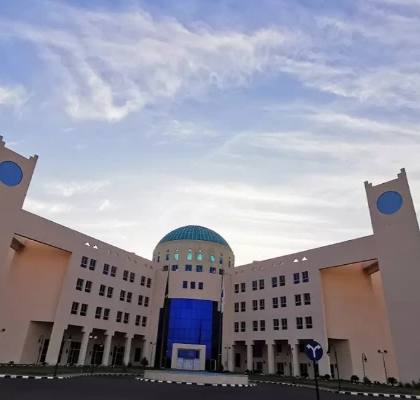
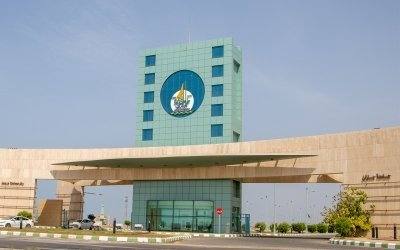
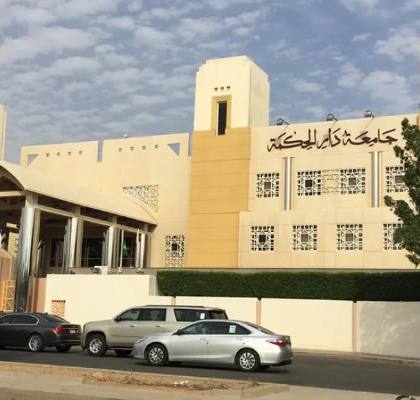
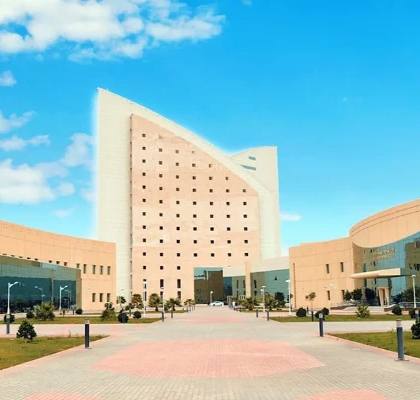
3 photos
Photo gallery
Watch
Video tour
Find us
Location
King Khalid University, , , Abha, Asir Province, Saudi Arabia
What guests say
Reviews (0)
No reviews yet — be the first to share your experience.
About this place — in detail
King Khalid University, known as KKU, is a top Saudi public university. It sits in Abha, the capital of the Aseer Region in southwestern Saudi Arabia. KKU was founded on May 6, 1998, following a Royal Decree that merged Imam Mohammad Ibn Saud Islamic University and King Saud University's branches in the Southern Region into one institution.
Today, KKU stands as one of the largest and most respected universities in the Kingdom. It serves students from across Saudi Arabia and the world. Clearly, the university has grown rapidly since its founding. It now operates with a strong focus on innovation, research, and national development.
University at a Glance
The university's numbers tell a powerful story of growth and impact:
61,708 enrolled students
3,136 faculty members
2,126 administrative staff
26 accredited colleges
27 campuses and locations
9 specialized research centers
KKU maintains a strong faculty-to-student ratio, with one professor for every fifteen students. This exceeds the global ideal average set by the Organisation for Economic Co-operation and Development (OECD).
Colleges and Academic Programs
KKU offers a broad and diverse range of academic programs. Its 26 accredited colleges fall into four main groups:
Arts and Humanities Colleges
Sharia and Theology
Education
Arts and Humanities
Languages and Translation
Law
Tourism and Hospitality
Culture and Arts (Rijal Almaa)
Scientific Colleges
Business
Engineering
Sciences
Computer Science
Architecture and Planning
Applied Colleges
Eight applied colleges spread across different cities, including Khamis Mushait, Muhayil Aseer, Rijal Almaa, Dhahran Al Janub, Tanumah, Sarat Abidah, and Al Majardah
Health Sciences Colleges
Medicine
Pharmacy
Dentistry
Applied Medical Sciences
Nursing (main campus, Khamis Mushait, and Muhayil Aseer branches)
KKU offers a wide range of undergraduate and graduate programs across various disciplines, including humanities, sciences, engineering, business, and health sciences.
Research and Innovation
Research sits at the heart of KKU's mission. The university runs nine dedicated research centers that cover a wide range of fields:
Center for Advanced Material Science Research
Prince Sultan Center for Environmental Research and Natural Resource Sustainability
Center for Tourism Research and Aseer Economics
Center for Bee Research and its Products
Health and Medical Research Center
Center for Engineering and Technology Innovations
Center for Humanities and Philosophical Studies
Artificial Intelligence Center
Center for Aseer History Research
Moreover, KKU publishes ten scientific journals. These journals cover health sciences, Islamic studies, educational sciences, humanities, linguistics, business, and engineering. Three of these journals appear in partnership with Emerald Group Publishing, a globally recognized academic publisher.
In addition, KKU hosts five scientific societies:
Saudi Society for Statistical Sciences
Saudi Society for Medical Education
Saudi Scientific Society for Teachers
Saudi Society for Physical Sciences
Saudi Society for Governance
Global Rankings and Achievements
KKU has earned strong recognition on the world stage. KKU is committed to global leadership and regional development, aligning with Saudi Vision 2030 and the Asir Development Strategy to drive sustainable growth and empower its community.
Some notable achievements include:
Ranked 101-150 globally in Mathematics and Energy Science and Engineering by the Shanghai Academic Ranking of World Universities (ARWU) 2025
Ranked among the top 20 institutions in Saudi Arabia in the Emerging Technology Adoption Readiness Index 2026
Won 3 gold medals and 2 excellence awards at the Saudi International Exhibition for Inventions and Innovations (SGiE) 2025
Clearly, KKU continues to rise in both regional and international recognition.
Digital Services and Student Experience
KKU makes student life easier through a full suite of digital tools. Students and staff use the MyKKU platform to manage academic and administrative tasks. The MyKKU mobile app is available on both Android and iOS.
Key digital services include:
Online admission applications for bachelor's, diploma, and postgraduate programs
Academic registration portal (Academia)
E-learning management system
Central library and e-research repository
Cybersecurity and information security management
Open data platform for citizens and researchers
The university has demonstrated its focus on innovation through awards at international competitions and strategic partnerships in emerging fields.
Additionally, KKU provides a rich student life experience. The Deanship of Student Affairs manages clubs, activities, counseling, and community initiatives for all enrolled students.
Admission at KKU
KKU accepts both Saudi and international students. Applications cover three main tracks:
Bachelor's and Diploma Programs (full-time and rehabilitation programs)
Applied Diploma Programs
Graduate Studies (Master's and PhD)
KKU actively engages with the local community through various outreach programs and initiatives. The university also manages scholarships and local and international cooperation programs to support student growth beyond the classroom.
Vision and Mission
King Khalid University is a leading Saudi public university that offers advanced academic programs and a stimulating educational environment that fosters innovation and excellence, contributing to the achievement of Saudi Vision 2030.
KKU's work aligns directly with the Kingdom's national ambitions. The university supports the goals of Vision 2030 through education, research, entrepreneurship, and community partnership. It hosts an Entrepreneurship Center and a Design Thinking Center. These centers give students the tools to build businesses and solve real-world problems.
Most importantly, KKU aims to produce graduates who lead, innovate, and serve their communities.
Community and Partnerships
KKU builds strong ties with the public and private sectors. It manages cooperation agreements with local and international partners. Furthermore, the university runs community volunteering programs and a business and knowledge economy division.
Partnerships span areas such as:
Telecommunications and technology
Hospitality and tourism
Environmental sustainability
Academic research collaboration
The university also maintains an International Advisory Council. This body connects KKU with global academic and industry leaders.
Why Choose KKU?
A trusted Saudi government university founded by Royal Decree
26 accredited colleges under one institution
Strong faculty-to-student ratio exceeding OECD global standards
Nine active research centers covering science, health, AI, and humanities
27 campuses serving all of the Aseer Region
Fully aligned with Saudi Vision 2030
International rankings recognition in ARWU 2025
Full digital student services via MyKKU app
Active international partnerships and student exchange programs
A vibrant campus life with student clubs and counseling support
You might also like
Related listings
Swipe left