
Darul Uloom University
Darul Uloom University stands as a distinguished institution where centuries-old Islamic scholarship intersects with contemporary education. It has become a centre of learning that not only preserves classical religious sciences but also integrates broader academic programs, research, community outreach, and international cooperation. Below is an in‑depth look:
Academic Programs
At Darul Uloom University, the academic offerings are thoughtfully designed to serve both spiritual formation and worldly knowledge. The core programs typically include:
Classical Islamic Sciences: These cover Quranic studies (Tafsir, Tajweed), Hadith, Fiqh (Islamic jurisprudence), Usul al‑Fiqh, Arabic grammar and rhetoric, and ethics.
Modern Disciplines: Students can also enroll in subjects like English, mathematics, computer studies, social sciences, and management—ensuring that graduates are well‑versed both in tradition and contemporary fields.
Dual‑Track Education: Many students pursue a combined path, studying religious courses alongside secular ones. This model equips learners for both religious service and participation in modern job markets.
Levels of Study: From beginner levels (basic Arabic, Nazira/Qira’a) to intermediate (memorization of Qur’an, foundational Islamic law), through advanced levels (Dars‑e‑Nizami or equivalent) and sometimes postgraduate level work depending on institution’s capacity.
Research and Innovation
Darul Uloom University is increasingly emphasizing research and innovation in its academic culture. Some of the key features include:
Scholarly Research in Classical Texts: Deep exegesis of Quran, studies of Hadith authenticity, comparative Fiqh, and works in Islamic theology.
Modern Research Topics: Undertakings in areas such as Islamic finance, ethics in technology, education methodology, and counseling that respond to current societal needs.
Publication and Translation Projects: Translation of classical texts into accessible languages, publishing commentaries, digitizing manuscripts, and producing journals aimed at bridging tradition with modern scholarship.
Innovative Learning Methods: Use of multimedia, blended learning, and workshops to enhance students’ critical thinking and ability to engage with both religious heritage and modern challenges.
Campus and Facilities
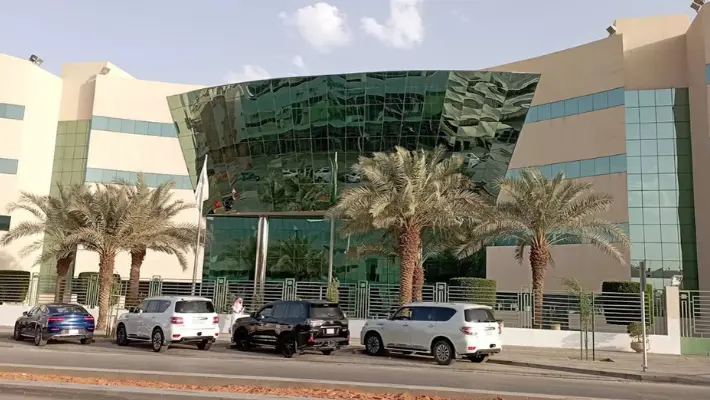
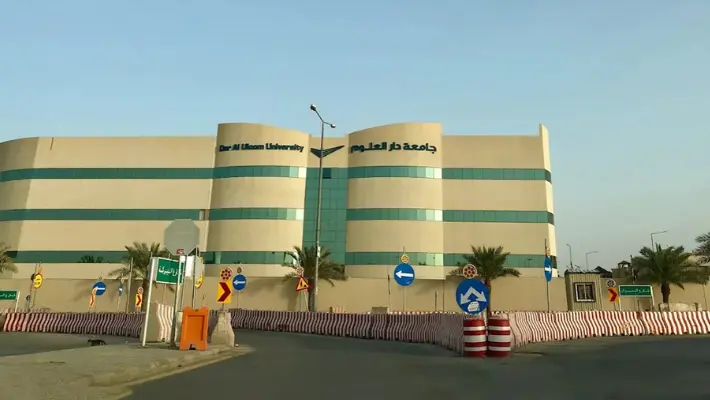
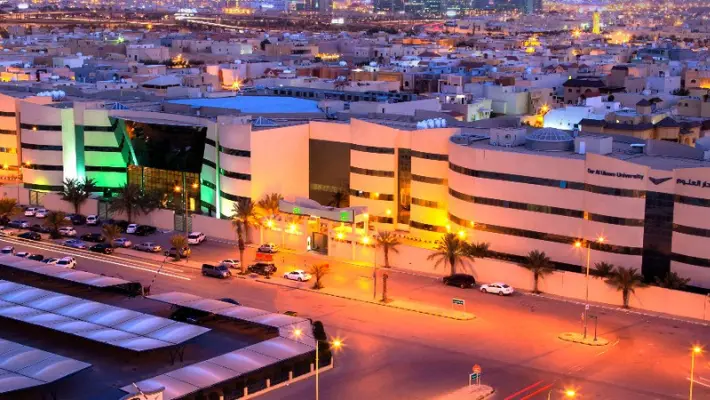
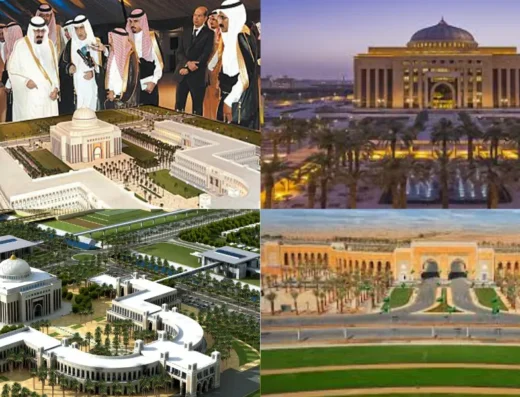
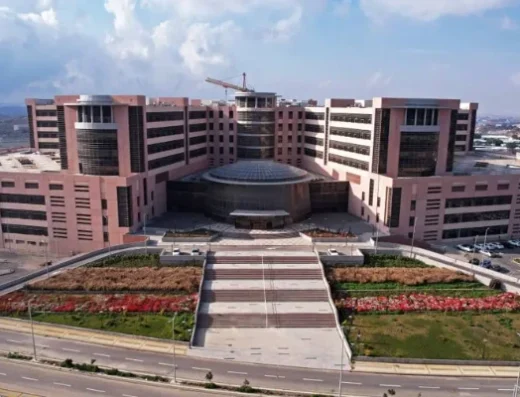
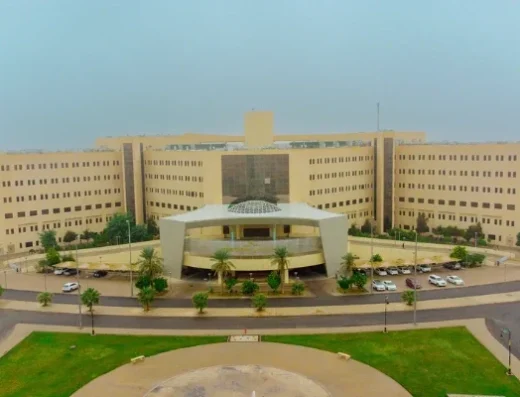
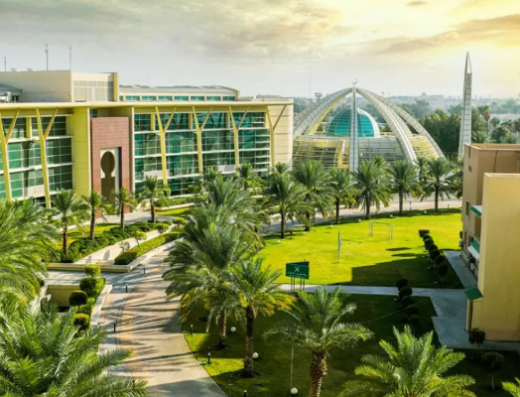
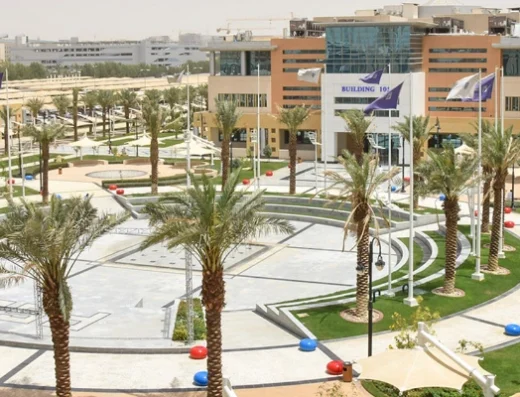
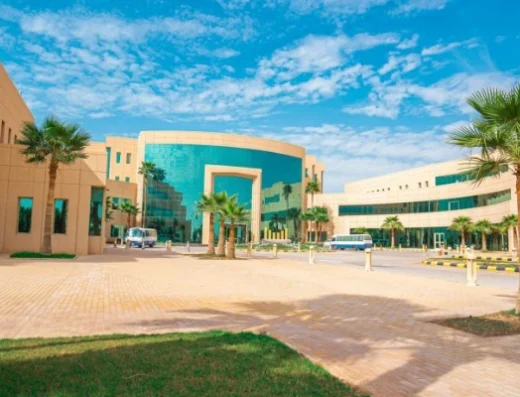
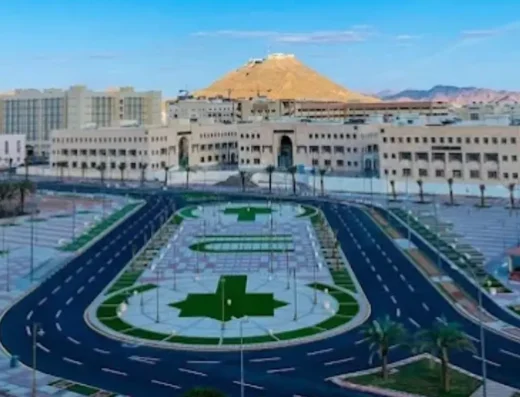
A serene and focused environment is central to learning at Darul Uloom University. The campus is typically equipped with:
Classrooms and Lecture Halls: Spacious well‑ventilated rooms for both small and large‑group instruction.
Libraries: House collections of classical works, manuscripts, modern books, reference materials, and digital resources. Some have specialized sections for rare texts.
Residential Hostels: Boarding facilities for students coming from distant places, often including housing, study rooms, prayer halls, accommodations for Quran memorization.
Dining & Health Services: Mess halls providing meals, healthcare or clinic services to students, and often recreational spaces.
Prayer Spaces & Mosques: On‑campus mosques serve daily prayers, special lectures, congregational outings, and community gatherings.
Miscellaneous Facilities: Laboratories (if modern subjects are taught), computer labs, auditoriums for events, guest quarters for visiting scholars.
Student Life
Student life at Darul Uloom University is rich with both scholarly discipline and personal growth. Key aspects include:
Structured Schedule: Students usually follow fixed schedules with early morning prayers, study sessions, classes, and revision times. Hifz students (those memorizing the Quran) often have dedicated study hours.
Extracurricular Activities: Debates, seminary‑led clubs, Quran recitations, writing workshops, sports (where possible), community service.
Spiritual Growth: Regular gatherings for dhikr, sermons, mentoring by elders, moral instruction, character‑building.
Support System: Tutors, peer mentoring, counseling (religious and sometimes psychological), financial aid for needy students.
Cultural Diversity: Students usually come from diverse regions and sometimes countries, bringing different cultural backgrounds and a sense of brotherhood/sisterhood.
Community Engagement
Darul Uloom University is not isolated within academic walls; it plays an active role in society:
Outreach Activities: Religious lectures, sermons, public Quran classes, free counselling, workshops for families.
Social Services: Assistance programs, charitable help for disadvantaged individuals, healthcare camps, provision of food and necessities during religious festivals.
Educational Extension: Establishing off‑campus Quran schools (maktabs), evening classes for adults, spreading basic literacy.
Interfaith & Social Dialogue: Engaging with broader society, encouraging peaceful coexistence, helping dispel misconceptions, participating in social and civic discussions.
International Collaboration
To keep pace with global trends and enrich its educational offerings, Darul Uloom University often seeks international connections:
Scholar Exchanges: Inviting scholars from abroad, sending students or faculty to international seminars, conferences, or institutions.
Joint Research Projects: Collaborations with universities abroad for research in Islamic studies, comparative law, ethics, or language studies.
Online & Distance Learning: Leveraging technology to connect with global learners, offering online courses, webinars, MOOCs in Islamic sciences and related disciplines.
Cultural Exchange: Students learn about diverse Islamic traditions, cultures, and how Islam is practiced in different regions, fostering cross‑cultural understanding.
Visitor Information
If you plan to visit Darul Uloom University, here’s what you might want to know:
Location & Access: The campus is often well‑located in a peaceful area. Visitors should check the address, transportation options, and whether there are visitor parking areas.
Visiting Hours & Permissions: Many institutions require visitors to obtain permission in advance, especially scholars or researchers. Campus offices (administration or guest relations) can guide.
Dress & Conduct: Modest dress code is expected: for men and women, conservative clothing, respect for religious settings. Silence and decorum in prayer halls or during lectures.
Facilities for Guests: Guest accommodations may be available; some institutions maintain guest rooms for visiting academics or speakers. Dining options may include mess halls or local eateries nearby.
What to Observe: Library access, lectures, student interactions, archival work if available. Visitors often gain insight into both classical Islamic teachings and how education is being adapted to modern challenges.


Leave a Reply